
Group 1: Virtual Exhibition
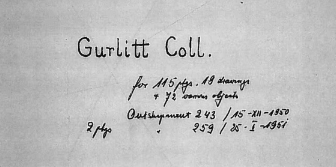
In 2012, the discovery of over 1200 artworks in the Munich apartment of Cornelius Gurlitt, the reclusive son of one of Hitler’s principal art dealers, sent shockwaves through the art world and reignited conversations about the fate of art during the Second World War. Hidden for decades, this previously unknown collection revealed a disturbing legacy of looted art, forced sales, and the erasure of countless personal and cultural histories.
Today, the Gurlitt Collection is more than a collection of immense artistic value, but stands as a stark reminder of the cultural devastation brought by war and persecution. It brings into sharp relief the ethical, legal, and emotional complexities of provenance, ownership, and restitution.
This exhibition follows the paths of selected pieces from the Gurlitt trove and beyond, tracing their journeys through archives, search reports, and cultural memory. Alongside these histories, we discuss the crucial role of digitization and documentation in preserving what remains of these histories and invite reflection on the enduring responsibility to confront the past.
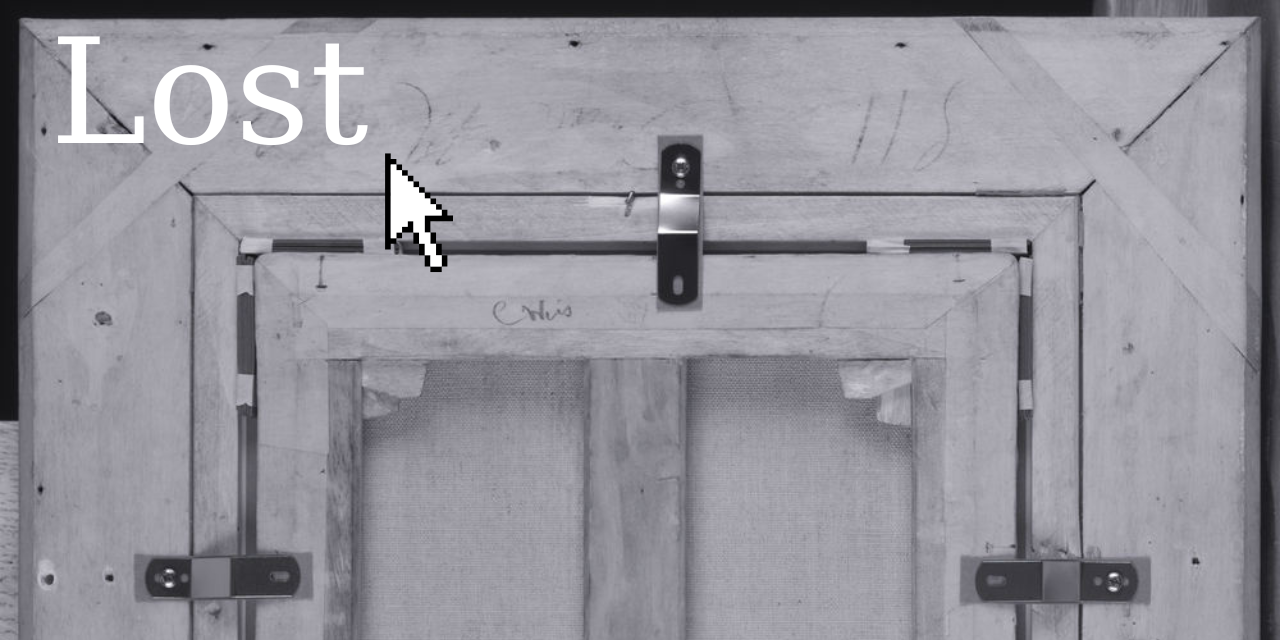
Some works from the Gurlitt estate remain unaccounted for, having disappeared into private collections, been displaced by war, or remain hidden much like the Gurlitt Collection before its rediscovery. This section presents a selection of surviving traces of artwork that remain lost to the public, whether through physical absence of gaps in documentation.
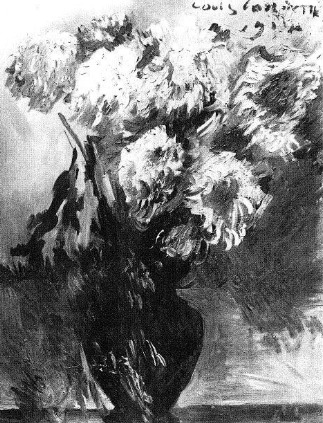
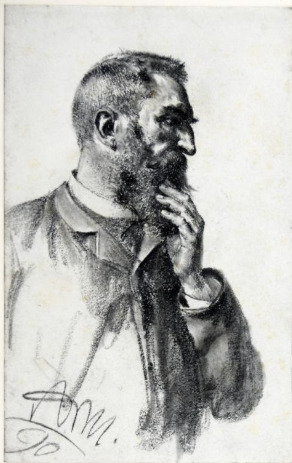
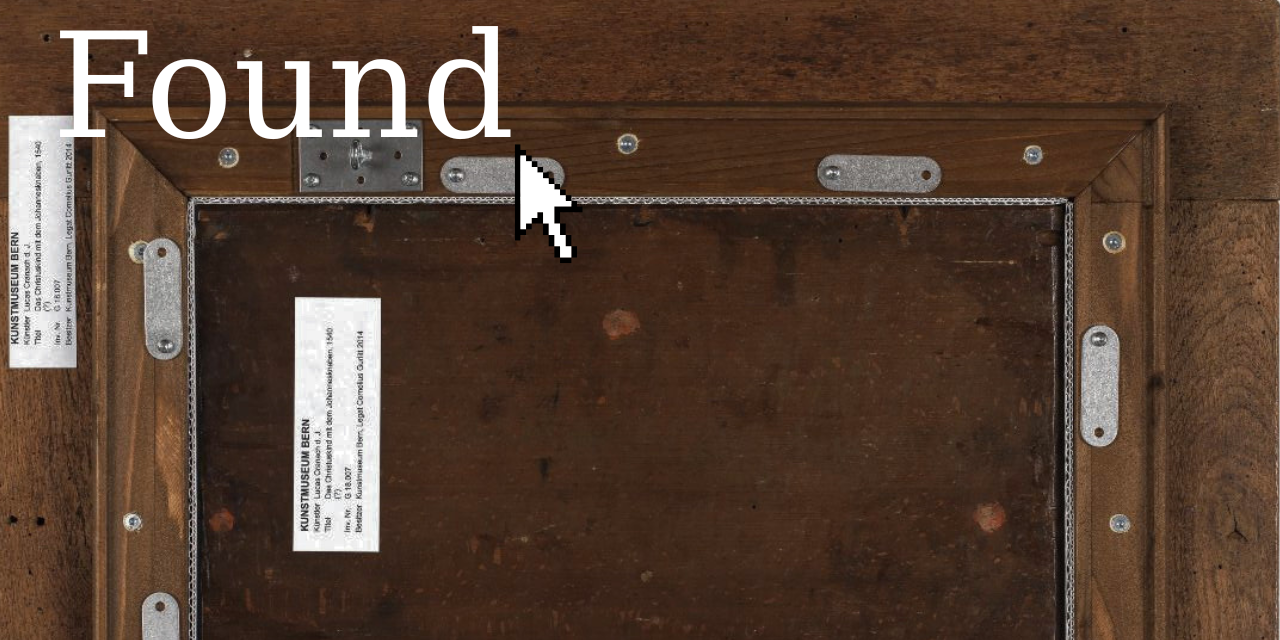
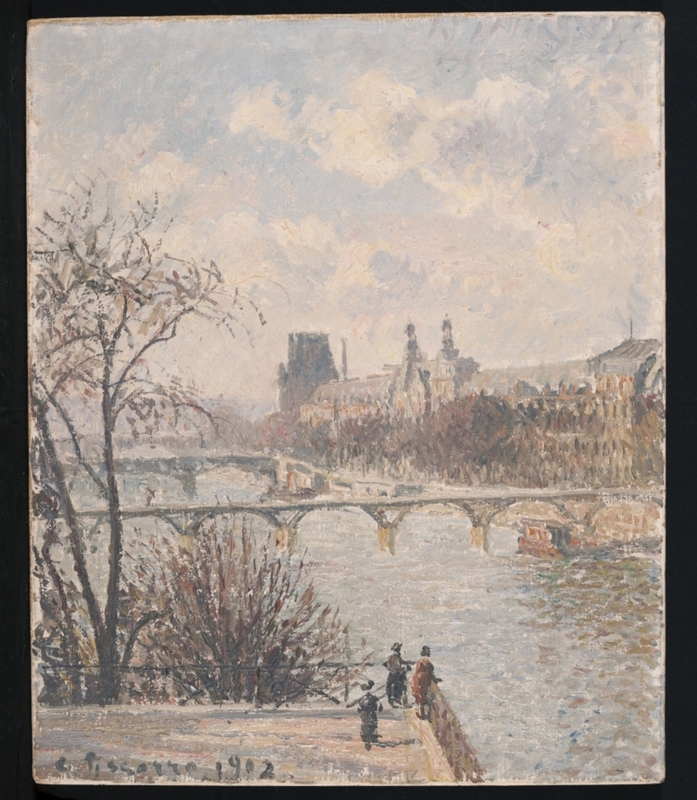
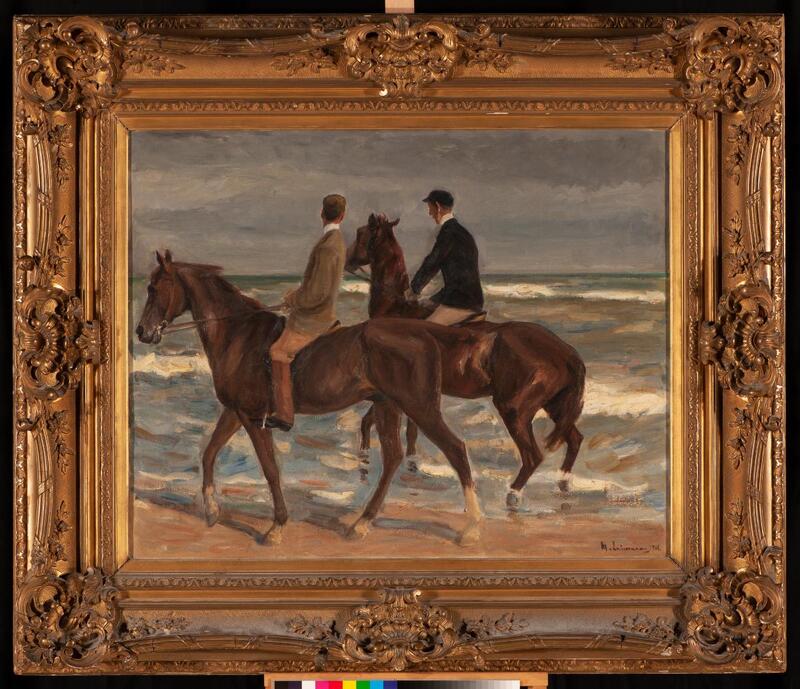
In 2014, Cornelius Gurlitt bequeathed his collection to the Kunstmuseum Bern upon his death. Hidden for decades in his homes in Munich and Salzburg, the works were accepted into public custody with the requirement that any looted pieces be identified and attempts for restitution be made. The paintings included here have been carefully researched and cleared for display.
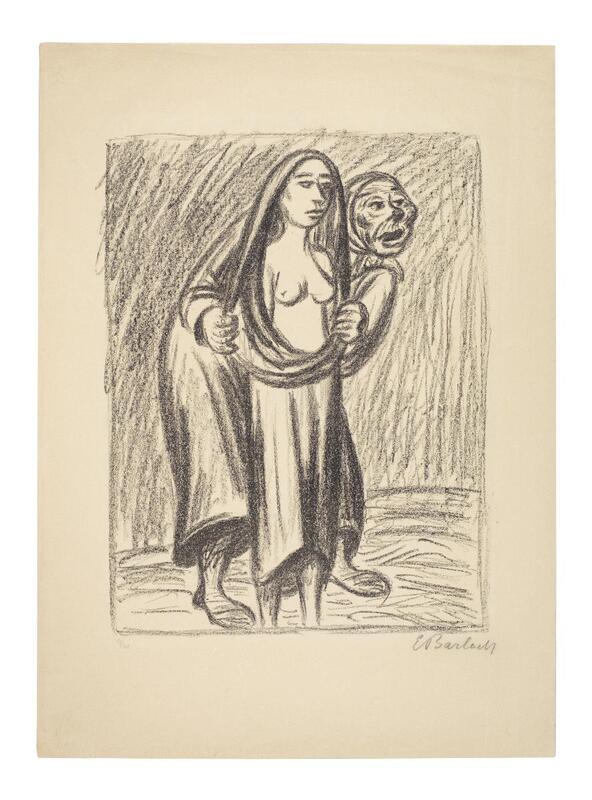
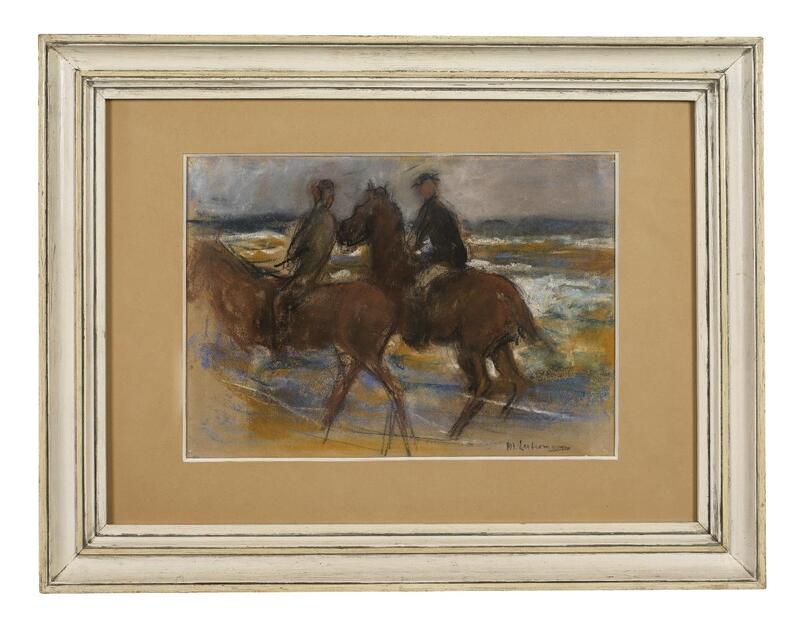
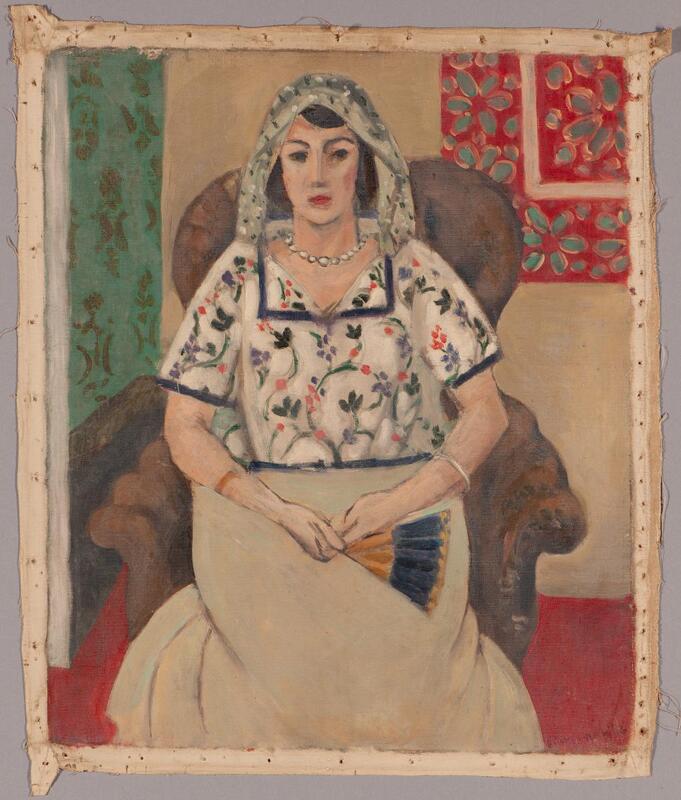
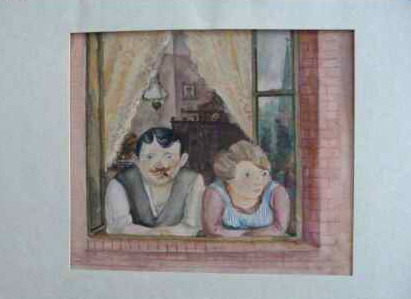
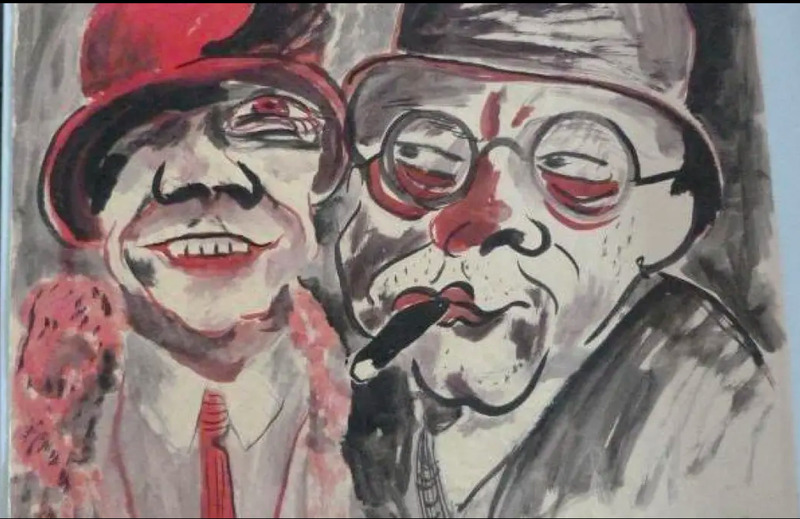
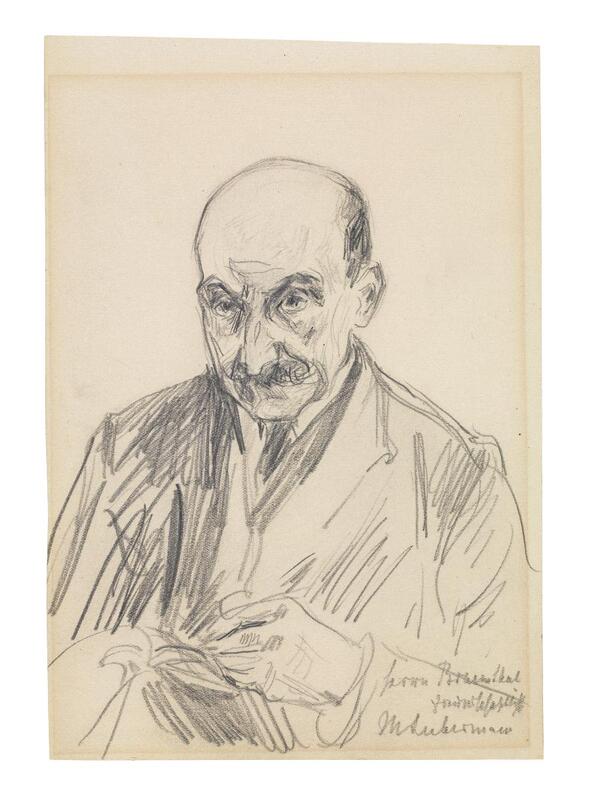
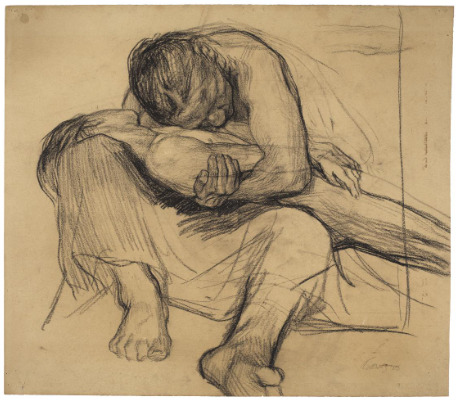
The Gurlitt Provenance Research project classified the discovered works into several categories: red for pieces confirmed or highly likely to be Nazi-looted art, yellow for works with provenance gaps between the period 1933 to 1945, and green for works confirmed or highly likely not to be looted. Ongoing research continues to prioritize the restitution of artworks classified in the red category and this section highlights those continuing efforts.
Sources:
'Gurlitt Trove', 2025, Claims Conference: WJRO Looted Art & Cultural Property Initiative, https://art.claimscon.org/work-provenance-research-archives/gurlitt-collection/
Drawdy, S., 2020, 'Gurlitt Trove Eludes Restitution Efforts Owing to Unresolved Provenance Questions', The Institute of Art & Law, https://ial.uk.com/gurlitt-trove-eludes-restitution/
'The Cornelius Gurlitt Legacy', Kunstmuseum Bern, https://www.kunstmuseumbern.ch/en/provenance-research/gurlitt-estate
Mavris, G, and Unterfinger, E., 2022, 'Swiss Museum Examines Collection of Nazi-era Art Dealer', SwissInfo.ch, https://www.swissinfo.ch/eng/business/swiss-museum-examines-collection-of-nazi-era-art-merchant/47959314
Pound, C., 2017, 'The Nazi art hoard that shocked the world', BBC Culture, https://www.bbc.co.uk/culture/article/20171212-the-nazi-art-hoard-that-shocked-the-world
'The Indelible Presence of the Gurlitt Estate: Adam Szymczyk in conversation with Alexander Alberro, Maria Eichhorn, and Hans Haacke', South, https://www.documenta14.de/en/south/59_the_indelible_presence_of_the_gurlitt_estate_adam_szymczyk_in_conversation_with_alexander_alberro_maria_eichhorn_and_hans_haacke