

testsara
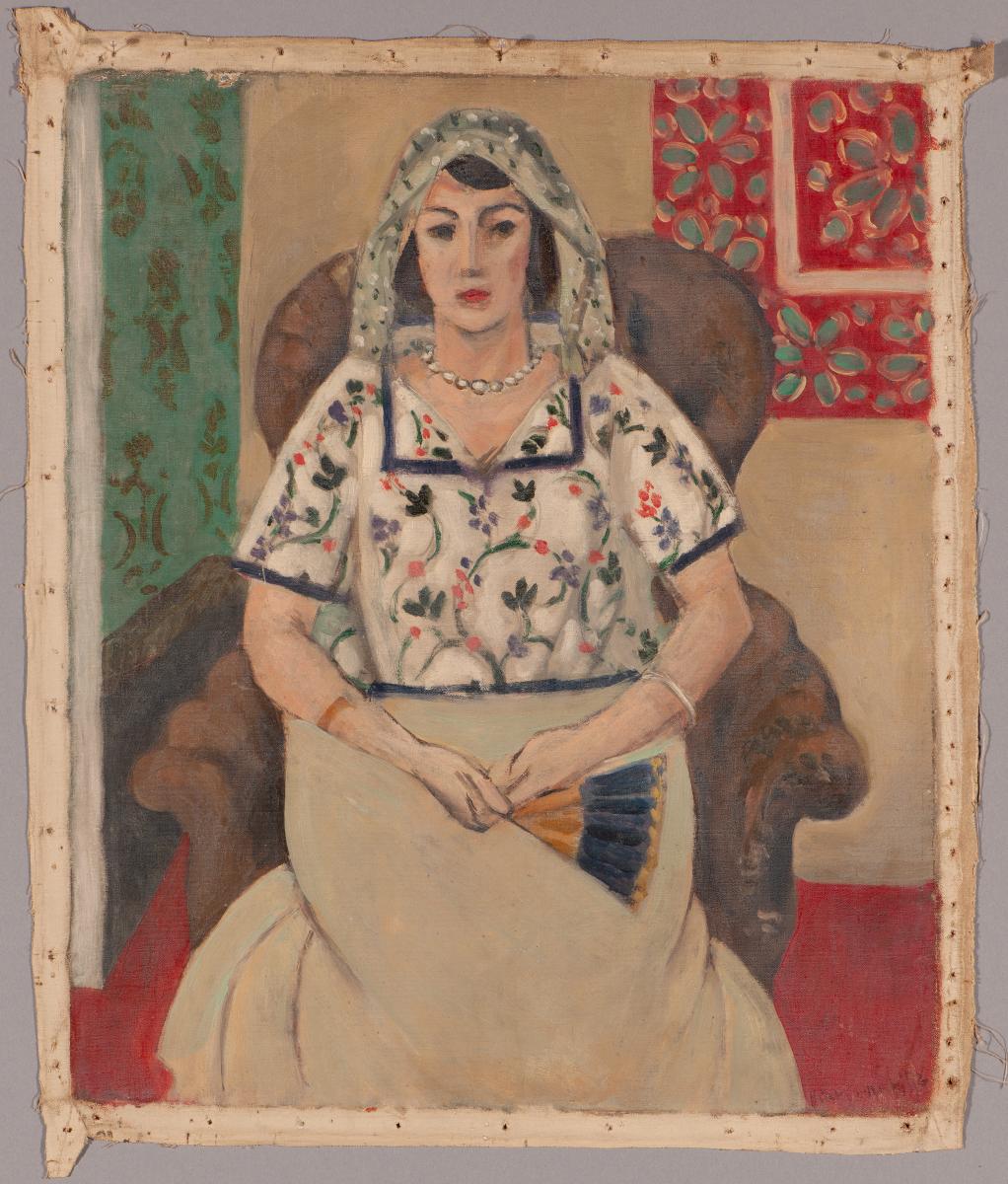
Henri Matisse’s Sitting Woman (c. 1923) is a striking example of the artist’s transition between stylistic periods, blending elements of his earlier Fauvist boldness with the refined simplicity that would later define his cut-out works. Created during a period of artistic reinvention, the painting likely depicts a model in Matisse’s studio, rendered with fluid lines, vibrant color contrasts, and a sense of intimate immediacy. Matisse’s fascination with form, posture, and the expressive potential of color is evident in this work, which exemplifies his ability to capture the essence of a figure with both energy and elegance. For decades, the origin of Sitting Woman was unclear, leaving its fate uncertain, until it also was identified among the controversial Gurlitt trove.
While its exact ownership history before the Nazi era remains under investigation, the painting symbolizes both Matisse’s enduring legacy and the shadow of wartime plunder. Today, as efforts continue to return looted art to descendants of its original owners, works like Sitting Woman serve as touching reminders of art’s vulnerability to political oppression.
Lost
Found
Something